When your air conditioner stops working properly, it can quickly become uncomfortable, especially during hot weather. Troubleshooting your air conditioner step-by-step can help identify common issues and potentially save you from costly repairs. The first thing to check is whether the unit is receiving power. Ensure that the thermostat is set to “cool” mode and that the temperature setting is lower than the current room temperature. If the AC does not turn on, verify if there is a tripped circuit breaker or blown fuse in your home’s electrical panel. Resetting a breaker or replacing a fuse might restore power to the unit.
Next, inspect the air filter inside your system. A dirty or clogged filter restricts airflow and reduces cooling efficiency. Replace or clean the filter according to manufacturer instructions if it appears dusty or blocked. This simple maintenance task often resolves many performance problems and improves indoor air quality simultaneously.
If your air conditioner runs but fails to cool effectively, examine the outdoor condenser unit for debris such as leaves, dirt, or grass clippings obstructing airflow around it. Turn off power before removing any obstructions carefully with a brush or vacuum cleaner attachment to avoid damaging delicate fins on the coils.
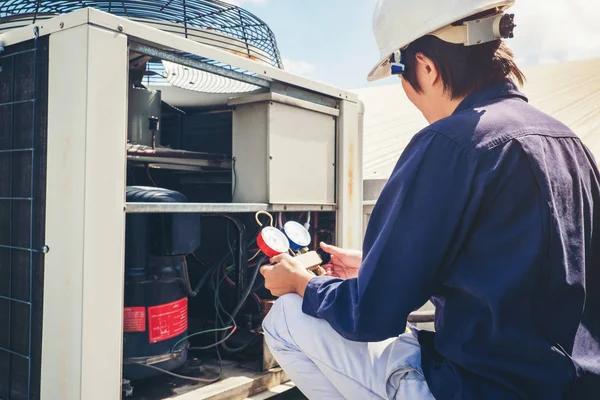
Another potential cause of poor cooling performance could be low refrigerant levels due to leaks; however, this requires professional diagnosis since handling refrigerants involves specialized tools and certifications.
Listen for unusual noises coming from either indoor or outdoor components while running your AC unit. Strange sounds like grinding, rattling, or hissing may indicate mechanical issues such as motor problems, loose parts, or refrigerant leaks needing expert attention.
Check if warm air blows from vents despite proper settings and adequate airflow; this might point toward an issue with compressor failure-a critical component responsible for circulating refrigerant through coils-requiring professional repair.
Inspect condensate drain lines for blockages that prevent moisture removal from inside units leading to water leakage around equipment areas indoors which can damage property over time if left unresolved.
Ensure all vents are open and unobstructed by furniture or curtains so cooled air circulates freely throughout living spaces without restriction causing uneven temperatures across rooms.
If none of these steps resolve your problem satisfactorily after thorough inspection HVAC maintenance and repair efforts have been completed safely by yourself then contacting a licensed HVAC technician becomes necessary because they possess advanced diagnostic tools along with expertise needed for complex repairs including electrical faults replacement parts installation calibration services ensuring optimal functionality restoring comfort efficiently within your home environment without risking further damage caused by improper handling attempts at troubleshooting beyond basic checks described here.