Edibles, smoking, and vaping are three popular methods of consuming cannabis, each affecting the body in distinct ways. Understanding these differences is crucial for consumers seeking to optimize their experiences or use cannabis for therapeutic purposes.
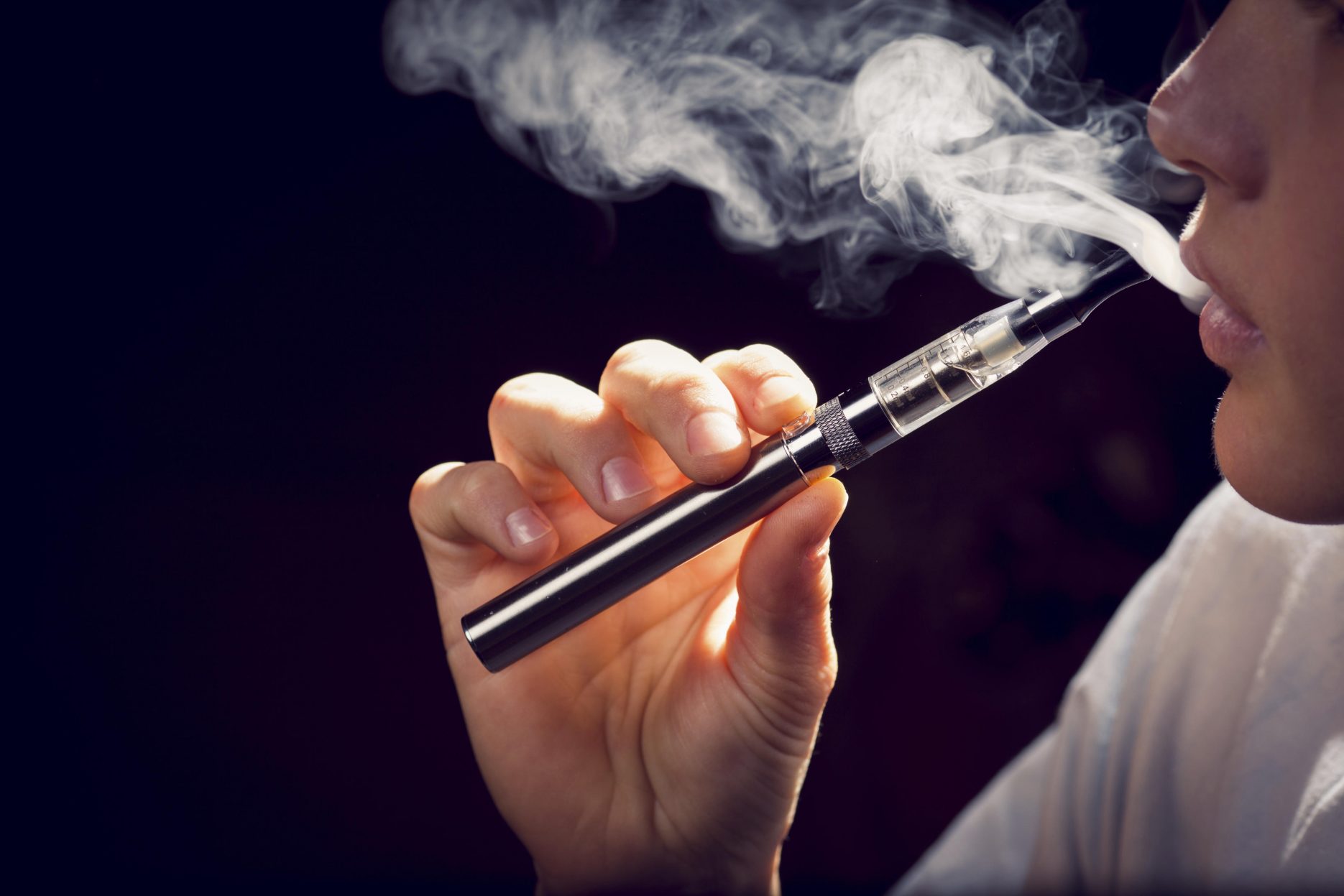
When cannabis is smoked or vaped, cannabinoids like THC (tetrahydrocannabinol) are rapidly absorbed into the bloodstream through the lungs. This quick absorption results in almost immediate effects, typically felt within minutes. The onset of effects can peak around 30 minutes and may last for two to three hours. Smoking and vaping allow users to titrate their doses more easily because they can feel the effects quickly and decide whether they need more.
In contrast, edibles undergo a completely different metabolic process. When consumed orally, edibles must first pass through the digestive system before being metabolized by the liver. This process converts THC into 11-hydroxy-THC, a compound that is notably more potent than THC itself. As a result, edibles often produce stronger psychoactive effects compared to smoking or vaping an equivalent dose of cannabis.
The onset time for edibles can vary significantly from person to person but generally takes between 30 minutes to two hours after consumption. This delay can lead some individuals to mistakenly consume more than intended D8 GAS while waiting for effects to kick in—a common pitfall known as “overconsumption.” Once activated in the body, however, the effects of edibles tend to last much longer than those from inhalation methods—often anywhere from four to twelve hours depending on various factors such as dosage and individual metabolism.
Moreover, because edible products require digestion and liver metabolism before entering systemic circulation, several factors influence how they affect individuals differently: these include one’s unique metabolic rate; whether food was consumed beforehand; and even genetic factors affecting enzyme activity involved in cannabinoid processing.
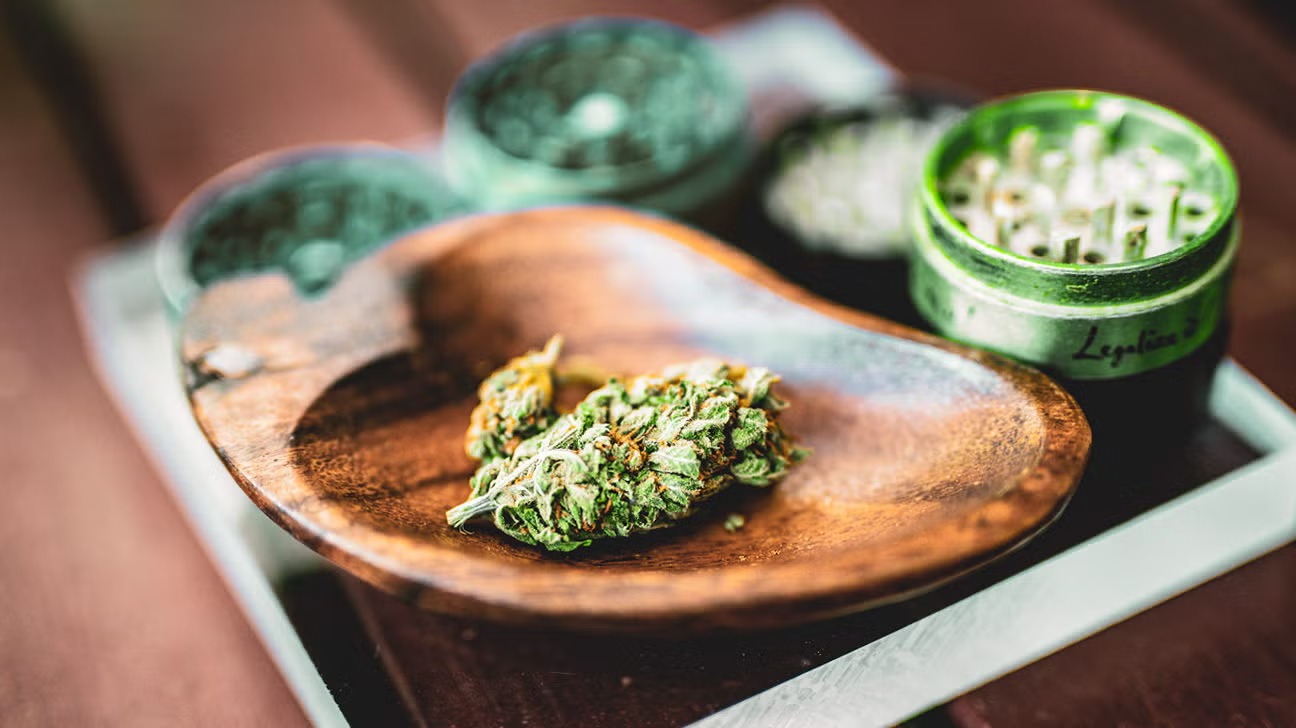
Beyond duration and intensity of effect differences between ingestion methods lies another critical aspect—the health implications associated with each method of consumption. Smoking involves combustion which releases harmful toxins that could potentially damage lung tissue over time whereas vaping offers somewhat reduced exposure due its lower temperature operation yet still poses respiratory risks particularly when using unregulated devices containing harmful additives like vitamin E acetate found problematic during past public health investigations concerning vape-related illnesses.
On balance then while offering longer-lasting potent experiences without involving inhalation-related hazards posed by smoke/vapor intake routes respectively edible usage does demand careful dosing consideration given delayed onset nature plus potential variability arising from physiological idiosyncrasies amongst users themselves making it essential always start low go slow approach especially newcomers embarking upon exploring culinary delights encompassing world infused treats alike!