
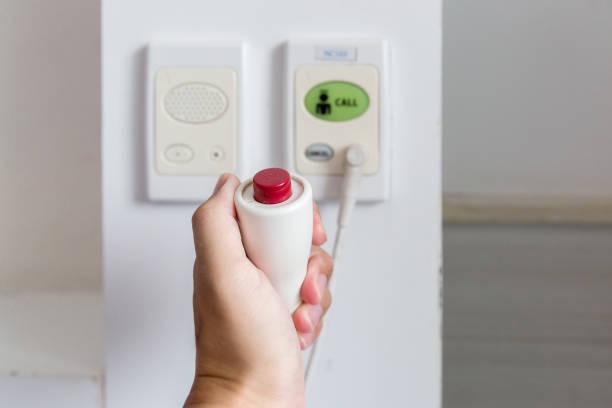
In modern healthcare environments, patient assistance through advanced nurse call systems has become a cornerstone for enhancing patient care quality and improving staff efficiency. These sophisticated systems transcend traditional nurse call mechanisms by integrating cutting-edge technology, enabling real-time communication, rapid response, and seamless workflow management. The primary goal of advanced nurse call systems is to ensure patients receive timely attention, thereby reducing anxiety, preventing complications, and boosting overall satisfaction during hospital stays.
Traditional nurse call systems often rely on simple button presses or cords that patients use to alert nursing staff. While functional, these systems have limitations such as delayed responses, lack of prioritization, and minimal integration with other hospital communication tools. Advanced nurse call systems address these issues by incorporating features like mobile alerts, voice communication, location tracking, and integration with electronic health records (EHR). This holistic approach allows nurses and caregivers to prioritize calls based on urgency and respond more efficiently, which is crucial in high-demand settings such as intensive care units or emergency rooms.
One of the key advantages of advanced nurse call systems is their ability to support patient-centered care. These systems empower patients by providing multiple ways to request assistance, including bedside tablets, wearable devices, and voice-activated controls. This flexibility accommodates patients with varying physical abilities and medical conditions, ensuring that everyone has access to help when needed. For example, patients with limited mobility can easily alert staff without having to reach for a button, while those recovering from surgery can communicate specific needs through integrated interfaces.
Moreover, advanced nurse call solutions contribute significantly to staff workflow optimization. Nurses receive real-time alerts on handheld devices such as smartphones or pagers, allowing them to assess and respond to patient needs promptly. The system often includes analytics and reporting tools that help healthcare administrators monitor response times, identify bottlenecks, and allocate resources more effectively. This data-driven approach enhances accountability and supports continuous improvement in patient care procedures.
Patient safety is another critical area enhanced by advanced nurse call systems. Features like fall detection sensors, emergency alarms, and two-way communication ensure that patients are monitored closely and can summon help instantly in case of falls or medical emergencies. The integration of these safety mechanisms reduces the risk of adverse events and contributes to a safer hospital environment.
In conclusion, patient assistance through advanced nurse call systems represents a significant advancement in healthcare technology. By facilitating faster communication, personalized care, and improved safety measures, these systems help hospitals deliver higher quality care while streamlining nursing workflows. As technology continues to evolve, the implementation of such systems will likely become standard practice, ultimately benefiting patients, caregivers, and healthcare organizations alike.


