
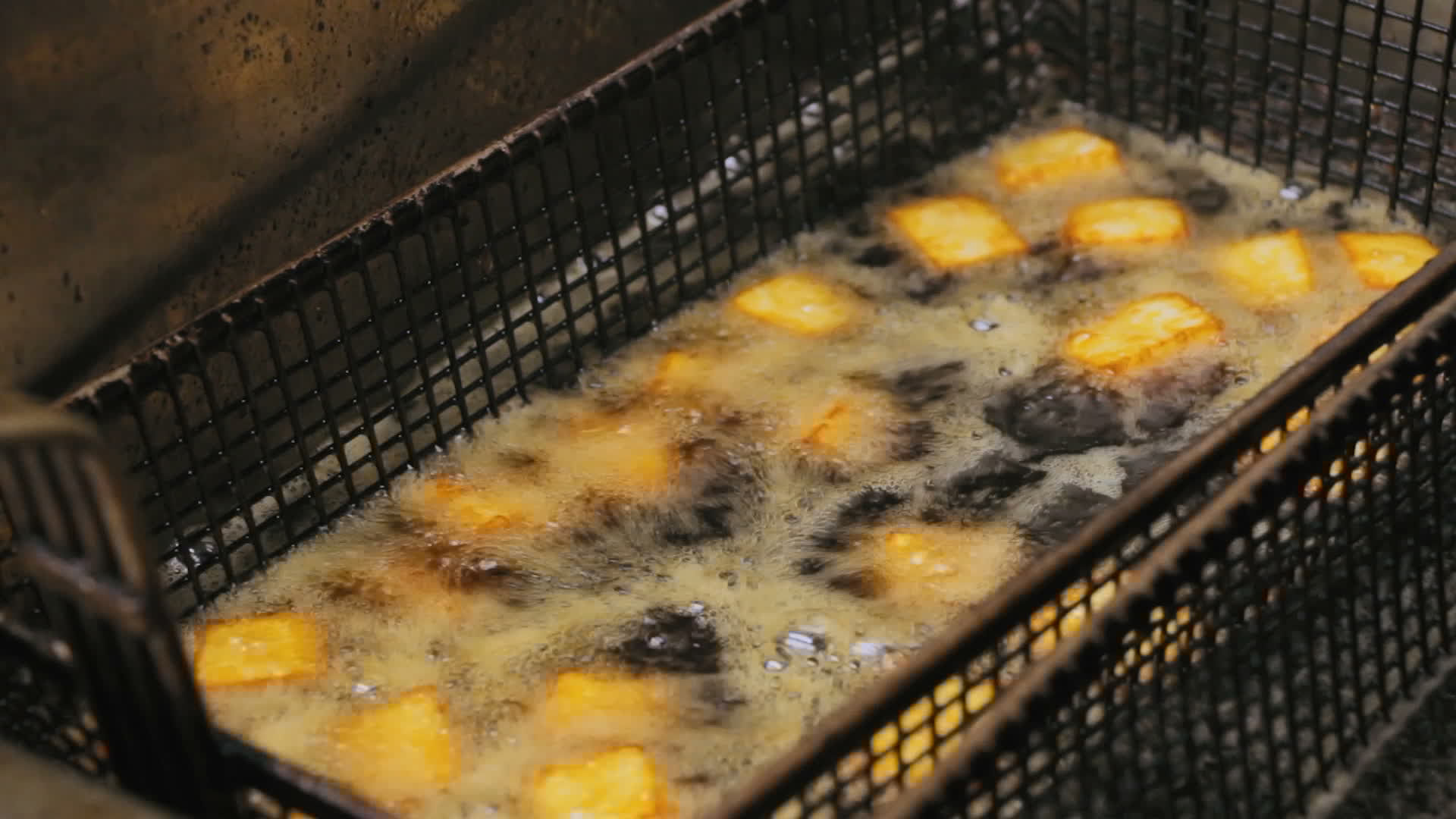
In the bustling environment of a restaurant kitchen, efficiency and consistency are paramount. Among the many operational aspects that require strict adherence to standards, fryer oil management stands out as a critical factor influencing both food quality and safety. Many restaurants have developed Standard Operating Procedures (SOPs) that clearly define the frequency at which fryer oil should be changed. These SOPs play an essential role in maintaining the desired taste and texture of fried foods while ensuring health regulations are met.
The significance of changing fryer oil regularly cannot be overstated. Overused or improperly maintained oil can lead to undesirable flavors, affecting customer satisfaction and potentially harming a restaurant’s reputation. Moreover, old oil can break down chemically, producing harmful compounds that pose health risks. To mitigate these issues, restaurants rely on well-defined SOPs that outline when and how to fryer oil change frequency.
Typically, these procedures consider several factors such as the type of food being fried, volume of use, and specific equipment employed in the kitchen. For instance, frying items with high moisture content or those coated with batter may necessitate more frequent changes due to faster degradation of the oil’s quality. Similarly, high-volume establishments might need daily changes compared to those with lower foot traffic.
SOPs often include guidelines for monitoring oil quality using visual cues like color and clarity or through testing kits designed to measure free fatty acids or total polar materials in the oil—both indicators of its condition. By establishing clear criteria within their SOPs for assessing when an oil change is necessary based on objective measures rather than arbitrary timelines alone, restaurants can maintain consistent product quality while optimizing costs associated with purchasing new cooking oils.
Furthermore, comprehensive SOPs address not just when but also how to change fryer oils effectively without disrupting kitchen operations significantly. This includes instructions on safely handling hot equipment during changes and disposing used oils responsibly following environmental regulations—a growing concern given sustainability trends across industries today.
Training staff members thoroughly on these procedures ensures everyone understands their importance beyond mere compliance; it fosters a culture where attention-to-detail becomes second nature among team members responsible for executing them daily under pressure-filled conditions typical within hospitality settings worldwide today!
Ultimately though perhaps seemingly mundane compared against other facets involved running successful eatery businesses long-term success hinges upon getting basics right consistently day-in-day-out: hence why investing time energy upfront developing robust easily-followed easy-understandable written-down documented step-by-step detailed systematic approaches towards managing something simple yet crucially important aspect operation like properly scheduling timely regular routine scheduled planned orderly organized systematic efficient effective periodic cyclic recurring programmed anticipated expected predicted prearranged preset predetermined preplanned standardized codified institutionalized formalized formal structured regulated governed controlled managed supervised overseen directed administered coordinated orchestrated executed implemented enacted performed conducted carried out adhered followed observed complied conformed abided obeyed respected honored fulfilled met satisfied achieved attained reached accomplished completed finished done executed realized actualized materialized brought fruition fruition fruition fruition fruition fruition realization realization realization realization reality!