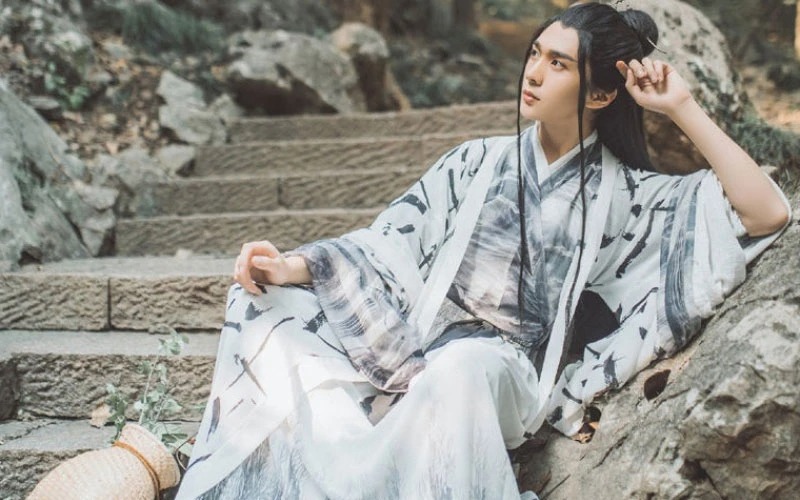
The Hanfu, a traditional Chinese garment, has recently experienced a cultural renaissance, captivating the imagination of fashion enthusiasts and historians alike. This resurgence is not merely about reviving an ancient attire but represents a profound exploration of identity and heritage. For men, the Hanfu offers a unique intersection of tradition and style, blending historical elegance with contemporary flair.
Historically, the Hanfu dates back over three millennia to the Shang Dynasty. It evolved through various dynasties, each leaving its imprint on this quintessential symbol of Chinese culture. The term “Hanfu” literally translates to “Han clothing,” referencing the predominant ethnic group in China during these early periods. Its design typically features flowing robes with wide sleeves and intricate patterns that symbolize different virtues or social statuses.
In modern times, as globalization influences wardrobes worldwide, there is an increasing desire among young Chinese men to reconnect with their roots through fashion. The hanfu male movement is part of this broader trend toward cultural reclamation and pride in one’s heritage. Men today are embracing these garments not just for their aesthetic appeal but also for their rich historical significance.
The art of wearing men’s Hanfu lies in understanding its components—such as the “yi,” which refers to any open cross-collar garment; the “pao,” a full-body robe; or the “shan,” an upper body garment worn over trousers or skirts—and how they can be adapted into modern life without losing authenticity. Designers are now reimagining these elements using contemporary fabrics and techniques while maintaining traditional craftsmanship.
This fusion has led to innovative designs that resonate well beyond China’s borders. International runways have seen models donning modified versions of Hanfu that blend seamlessly with other global styles yet retain their distinct character—a testament to its versatility as both traditional attire and high fashion statement piece.
Moreover, wearing Hanfu transcends mere aesthetics; it fosters community among enthusiasts who gather at themed events celebrating this cultural iconography through music festivals or educational workshops focused on crafting techniques from bygone eras.
For those interested in exploring this sartorial journey further: learning about fabric choices—from luxurious silks traditionally reserved for nobility—to everyday cottons used by commoners provides insight into societal structures within ancient China itself while offering practical guidance when selecting pieces suited best towards individual tastes today!
Ultimately though perhaps most importantly—the revival speaks volumes regarding timelessness inherent within true artistry found inside every stitch sewn onto fabric forming what we now call “men’s hanfus”—a beautiful bridge connecting past present future together harmoniously under one unified banner called ‘style’.